

Patagonia's Wild Frontier 2026: eSIM for Remote Family Treks
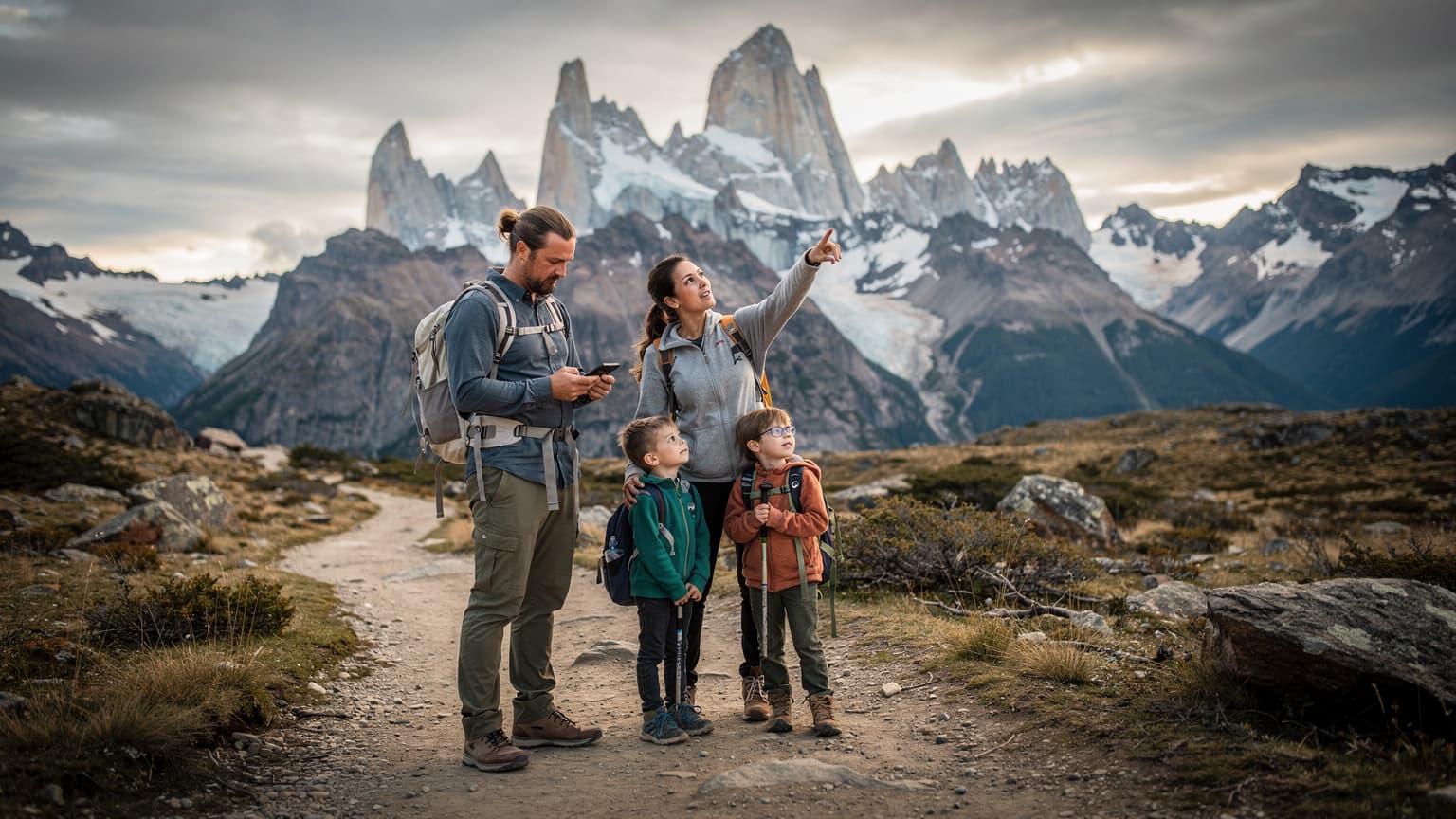
Picture this: You’re standing on the edge of the world, a crisp Patagonian breeze ruffling your hair, the granite spires of Fitz Roy piercing the sky, and your kids are laughing as they spot a condor soaring overhead. It’s a dream, a true adventure, and it’s entirely within reach for your family in 2026. Patagonia is calling, and while its wild, untamed beauty is its biggest draw, staying connected, even minimally, is often a top concern for families venturing into its remote corners. This is where the magic of an eSIM comes in, transforming your travel experience and offering peace of mind. Forget fumbling with tiny SIM cards in windy mountain passes; we’re talking seamless connectivity, and I’m here to tell you exactly why an eSIM, like those offered by esimAdventures, is your essential travel companion for a family trek through Patagonia.
Why Patagonia 2026? A Family Adventure Awaits
Patagonia, spanning Chile and Argentina, offers an unparalleled blend of dramatic landscapes, incredible wildlife, and hiking trails for every skill level. For families, it's an opportunity to unplug from the daily grind and reconnect with nature and each other. By 2026, infrastructure will continue to subtly improve in key tourist hubs, but the vast majority of the wilderness will remain just that: wild. This is precisely its charm. Imagine introducing your children to glaciers, ancient forests, and the sheer scale of the Andes. It's a geography lesson, a biology class, and an adventure story all rolled into one. Planning ahead for 2026 gives you ample time to research routes, book accommodations (which can fill up quickly, especially in peak season), and prepare your family for an unforgettable journey.
Choosing Your Patagonian Base Camp
For families, I highly recommend focusing on one or two key regions to avoid excessive travel time. In Argentina, El Chaltén is the undisputed hiking capital, offering trails to Laguna de los Tres (Fitz Roy) and Laguna Torre that are manageable for active families, with shorter options available. On the Chilean side, Torres del Paine National Park is world-renowned, though some of its more famous treks (like the 'W' or 'O' circuits) might be too demanding for younger children. However, day trips to Grey Glacier or the base of the Towers are achievable and breathtaking. Puerto Natales serves as the gateway to Torres del Paine, offering plenty of amenities.
Kid-Friendly Treks and Activities
When planning your treks, prioritize trails with manageable distances and elevation gains. In El Chaltén, the Laguna Capri trail is a fantastic introduction, offering stunning views of Fitz Roy without being overly strenuous. Look for opportunities for wildlife spotting – guanacos, rheas, and various bird species are common. Many areas also offer horseback riding, kayaking, or even short boat trips on glacial lakes, providing varied experiences for the whole family.
The Connectivity Conundrum: Why an eSIM is Your Lifeline
Let's be honest: even in the most remote corners of the world, a degree of connectivity can be crucial for peace of mind, especially when traveling with family. While you won't get 5G coverage on every mountain pass, having a reliable way to communicate in towns, access maps, check weather forecasts, or even send a quick 'we're okay!' message is invaluable. Traditional physical SIM cards can be a nightmare: finding a local provider, dealing with language barriers, and the risk of losing the tiny chip. This is precisely where an eSIM shines.
What is an eSIM and How Does it Work?
An eSIM (embedded Subscriber Identity Module) is a digital SIM that allows you to activate a cellular plan from a carrier without needing a physical SIM card. It's built directly into your compatible smartphone or device. Instead of swapping out a physical card, you simply scan a QR code or enter a code provided by your eSIM provider, and your phone connects to the local network. It's incredibly convenient, secure, and environmentally friendly.
Benefits for Remote Family Treks in Patagonia
For a trip like Patagonia 2026, the benefits are clear:
- Instant Activation: Purchase and activate your data plan before you even leave home or while you're enjoying your last meal in Buenos Aires or Santiago. No more searching for local stores in unfamiliar towns.
- Dual SIM Capability: Many phones support both a physical SIM and an eSIM simultaneously. This means you can keep your home number active for important calls/texts while using your eSIM for data in Patagonia.
- Cost-Effective: eSIM providers like esimAdventures often offer competitive data packages specifically tailored for travelers, saving you from expensive international roaming charges. You can choose packages based on duration and data needs.
- Flexibility: Need more data? Top up your eSIM plan instantly from your phone. No need to hunt down a shop or deal with physical vouchers.
- Security and Peace of Mind: Having access to maps, emergency contacts, translation apps, or even just checking weather updates can be critical in remote areas. While coverage will be spotty on some trails, in towns and along major routes, it will be there.
- No Lost SIM Cards: A small but significant benefit – no tiny physical SIM card to lose in your backpack or drop on a windy mountain.
esimAdventures Travel eSIM: Your Patagonian Connection Partner
When planning for Patagonia 2026, I strongly recommend looking into esimAdventures travel eSIMs. esimAdventures specializes in providing seamless global connectivity for travelers, and their plans are designed with convenience and reliability in mind. They offer a range of data packages suitable for both Argentina and Chile, ensuring you have coverage in key areas as you traverse the region. Their user-friendly platform makes it easy to select, purchase, and activate your eSIM, often with excellent customer support should you have any questions.
Choosing the Right esimAdventures Plan for Your Family
Consider your family's data needs. Are you planning on light usage – maps, messaging, occasional social media updates? Or do you anticipate needing more data for video calls back home or streaming? esimAdventures offers various tiers, from small data bundles for short trips to larger packages for extended stays. For Patagonia, I'd suggest a plan that covers both Argentina and Chile if your itinerary includes both countries, simplifying your connectivity. Always check their coverage maps for specific regions within Patagonia to manage expectations, remembering that true wilderness areas will always be offline.
Practical Connectivity Tips for Patagonia
- Download Offline Maps: Even with an eSIM, never rely solely on live maps. Download offline maps for your trekking routes (e.g., using Google Maps or Maps.me) before you lose signal.
- Inform Your Family: Set clear expectations with your kids about connectivity. Explain that while you'll have an eSIM, it's for practical purposes, not constant screen time.
- Power Bank is Essential: Data usage drains battery quickly. Carry a high-capacity power bank (or two!) to keep your devices charged, especially if using your phone for navigation or emergencies.
- Use Wi-Fi When Available: In towns and accommodations, leverage free Wi-Fi to conserve your eSIM data.
- Emergency Contacts: Ensure essential emergency contacts (local police, park rangers, your accommodation) are saved and accessible even without data.
- Set a Data Budget: Monitor your esimAdventures data usage regularly to avoid unexpected depletion.
Preparing Your Family for the Patagonian Adventure
Beyond connectivity, proper preparation is key for an enjoyable family trip to Patagonia. The weather can be famously unpredictable, so layering is crucial. Pack waterproof and windproof outerwear, sturdy hiking boots, and plenty of warm layers, even in summer. Engage your children in the planning process; let them research some of the animals they might see or the stories behind the mountains. This builds excitement and a sense of ownership over the adventure. Emphasize the importance of leaving no trace and respecting the fragile environment. A Patagonian adventure in 2026 isn't just a vacation; it’s an education, a challenge, and a memory that will last a lifetime, made all the more comfortable and secure with the right digital tools.
So, as you dream of those towering peaks and turquoise lakes, remember to add an eSIM, like a reliable esimAdventures plan, to your essential packing list. It's the small but significant detail that will ensure your family’s wild Patagonian frontier adventure in 2026 is not only breathtaking but also wonderfully connected when it matters most.